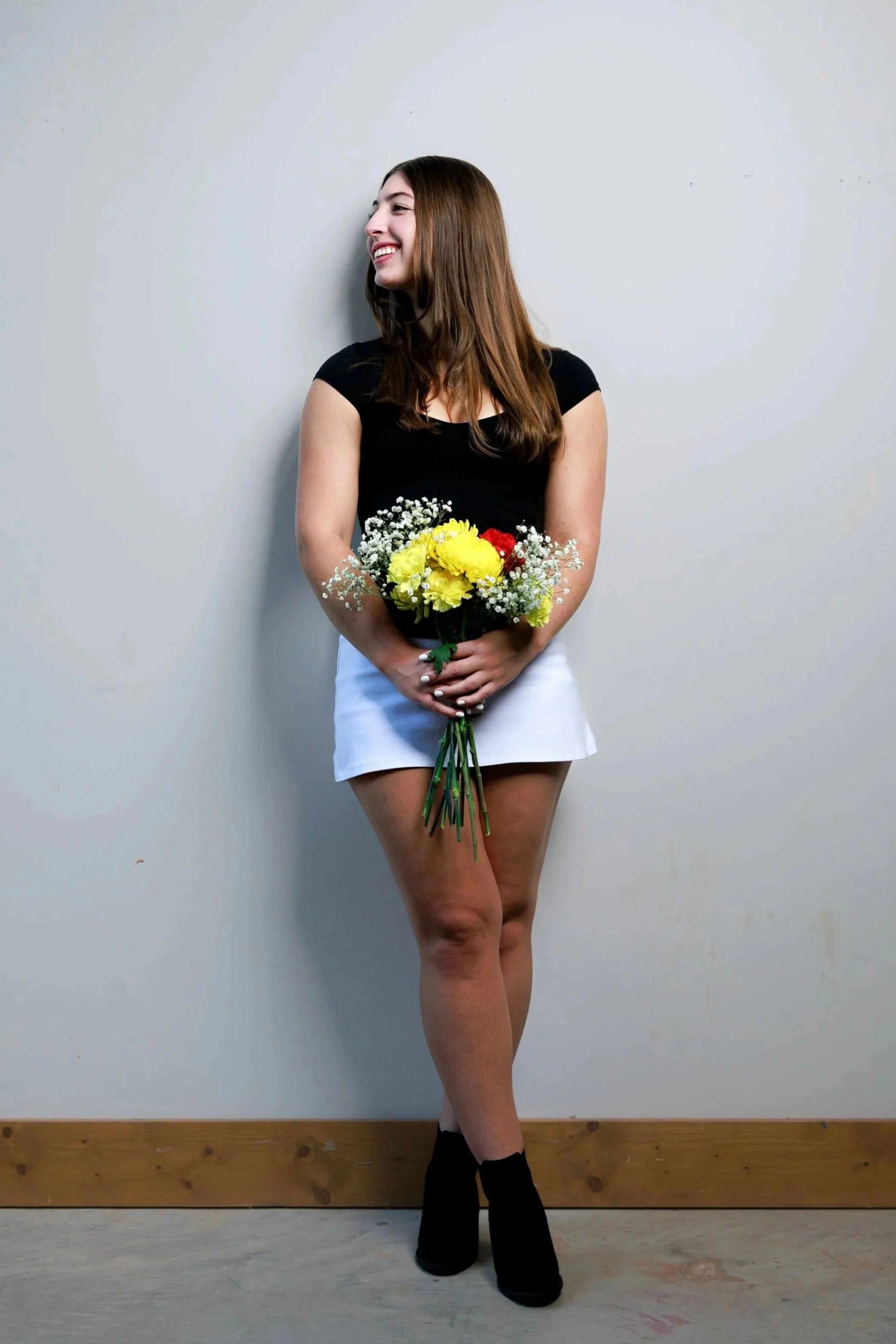
About
Hannah Rich is an art historian and artist who earned her BA in Studio Art and Art History at Furman University. Originally from Buffalo, NY, she has gained hands-on experience in galleries and museums through internships with CEPA Galleries, Hunt Art Gallery, and contemporary painter Fotini Christophillis. In Fall 2024, she studied abroad in Cortona, Italy through the University of Georgia, where she focused on exhibition preparation and professional art handling. In Summer 2025, she worked as a Collections Database Intern with the Martha Jackson collections, contributing to digital organization efforts and writing accessible audio descriptions for artworks.Rich has committed to Georgetown University, where she will pursue a master’s degree in Art History and Museum Studies as part of the Class of 2027. She is focused on building a career at the intersection of museums and the art market, with an interest in how art is circulated, valued, and made accessible to broader audiences.HERarts
HERarts

As an artist, my work is deeply rooted in a fascination with the human form. I am inspired by facial features and the body, I believe they tell unique stories through their form, expression, and movement. I work mostly with Oil Paint, but I explore other medias such as photography, and charcoal. I love life and reality and it is exciting to explore the concept between observer and observed, intimacy and distance, and power and vulnerability. 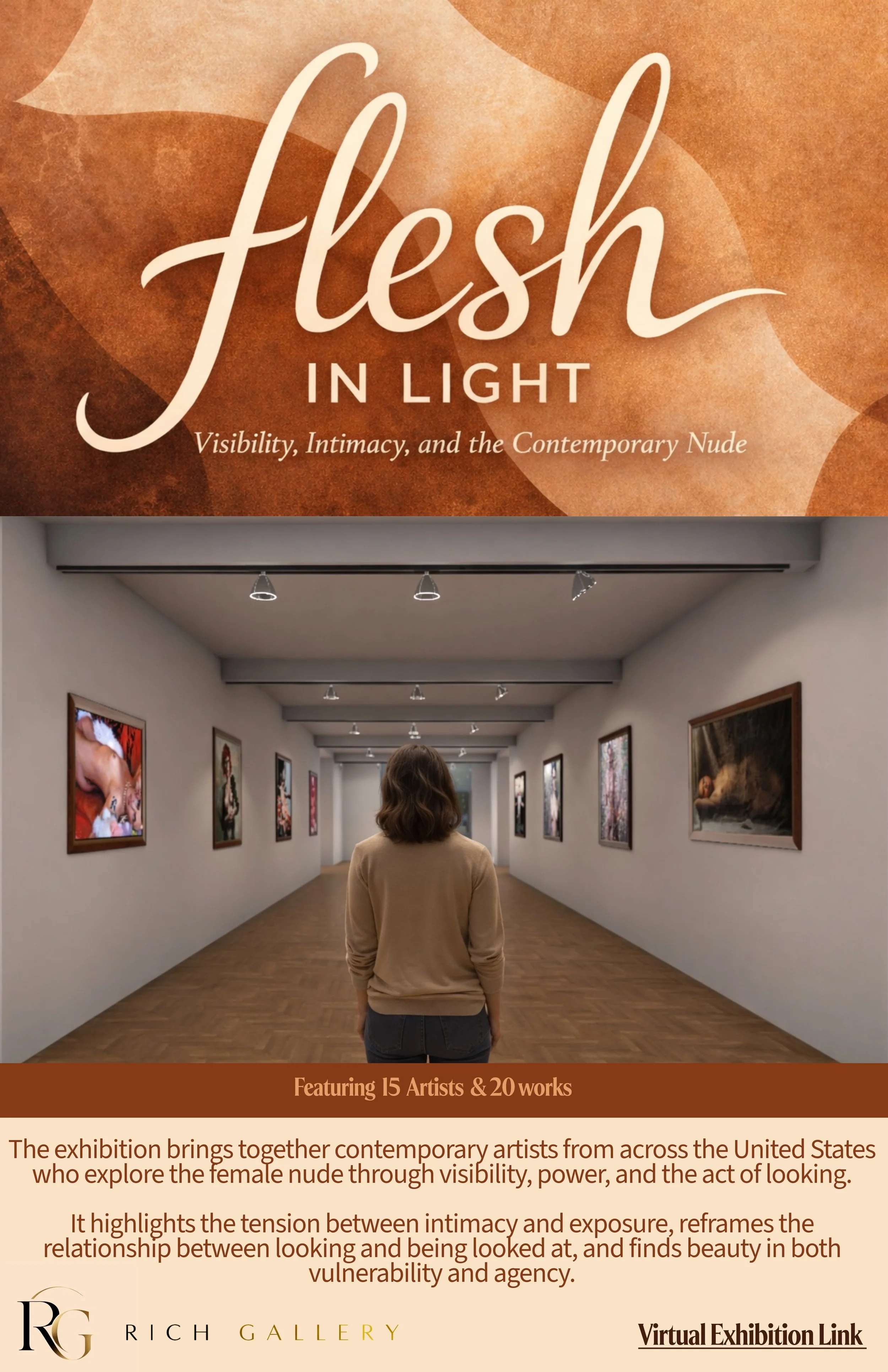
During her senior Year at Furman University, she completed a student-curated exhibition that brings together contemporary artists from across the United States who explore the female nude through ideas of visibility, power, and the act of looking. Throughout the project, she focused on the tension between intimacy and exposure, and how that tension shifts when the figure becomes aware of being seen. She also considered how the relationship between viewer and subject can change when the gaze is returned.The exhibition was created as a research-based, conceptual project connected to the course and was presented through a virtual gallery space rather than as a physical installation. Overall, the project allowed her to think more critically about how contemporary artists represent the body, and how vulnerability and agency can exist at the same time within these works.